

Bogotá sits at 2,640 meters above sea level, where the Andes Mountains create some of the most stunning viewpoints in South America. From the top of Monserrate to the emerald valleys surrounding Guatavita, this city rewards travelers who look beyond the historic center. Imagine your Bogota helps you explore both the city’s iconic landmarks and the breathtaking day trip destinations that most visitors miss.
This guide walks you through the best Bogotá city tours with scenic viewpoints and nearby excursions. You’ll learn when to visit each location, what to expect on guided tours, and how to combine city experiences with unforgettable day trips to places like the Salt Cathedral and Laguna de Guatavita.
Ready to see Bogotá from every angle? Let’s start with what makes this capital city such a rewarding destination for travelers who love dramatic landscapes and cultural immersion.
Key Takeaways: Bogotá City Tours with Views and Day Trips in 2026
- Monserrate offers Bogotá’s most iconic viewpoint, where you can see the entire city spread across the Andean plateau below.
- Day trips to the Salt Cathedral and Guatavita add cultural depth and natural beauty to any Bogotá itinerary.
- Imagine your Bogota connects you with local guides who know hidden viewpoints and the best times to visit each destination.
- Morning tours typically offer clearer skies for photography, while afternoon light creates golden hour moments at higher elevations.
- Combining city tours with nearby excursions gives you a fuller picture of Colombian Andean culture and geography.
Why Bogotá City Tours Are Worth Your Time
Bogotá can feel overwhelming when you first arrive. The sprawling capital stretches across a high-altitude plateau, with neighborhoods stacked against green mountain slopes in every direction. A guided city tour transforms this complexity into a navigable adventure.
Local guides bring context you simply cannot get from a guidebook. They explain why certain neighborhoods developed the way they did, which street food vendors have served generations of bogotanos, and where to find the viewpoints that locals treasure. This insider knowledge turns a standard sightseeing trip into genuine cultural immersion.
The city also sits at a challenging altitude for many visitors. Having a guide who understands acclimatization means you can pace your exploration appropriately and avoid the headaches and fatigue that catch unprepared travelers off guard.
What to Expect from a Bogotá City Tour with Scenic Viewpoints
Bogotá city tours that focus on viewpoints typically combine walking segments through historic neighborhoods with visits to elevated lookout points. The terrain varies from flat colonial streets to steep mountain paths, so wearing comfortable shoes matters.
Typical Tour Duration and Timing
Most city tours with viewpoint stops run between four and eight hours. Shorter tours concentrate on La Candelaria and one main viewpoint like Monserrate. Longer tours expand to include additional neighborhoods like Chapinero or Usaquén plus multiple scenic stops.
Morning departures work well for clear mountain views. The Andes often develop afternoon clouds, so reaching viewpoints before noon increases your chances of seeing across the entire city and surrounding valleys. That said, late afternoon tours capture beautiful golden light if skies stay clear.
What’s Usually Included
Guided Bogotá tours typically include transportation between sites, entrance fees to viewpoints and attractions, and narration in English or Spanish. Some tours add meals or snacks from local vendors. Always confirm what’s included before booking, as offerings vary between operators.
Group sizes range from intimate experiences of two to four people up to larger groups of fifteen or more. Smaller groups offer more flexibility and personalized attention, while larger groups often cost less per person.
Monserrate: Bogotá’s Most Famous Viewpoint
Monserrate rises 3,152 meters above sea level, towering over Bogotá’s eastern edge. The mountain’s white church has become the city’s most recognizable landmark, visible from almost anywhere in the capital. But the real draw is the view looking down.
From Monserrate’s summit, you can see Bogotá stretching north and south across the entire plateau. On clear days, the view extends to distant páramo ecosystems and snow-capped peaks in the Andes. It’s the kind of panorama that helps you understand why Spanish colonizers chose this specific valley to build a city.
How to Get to the Top of Monserrate
Three options exist for reaching Monserrate’s summit. The funicular railway climbs the mountain’s face in a glass-enclosed car, giving you views throughout the ascent. The cable car (teleférico) offers a different perspective, gliding above the forest canopy. Both options take about five minutes.
The third option is walking the historic pilgrimage path. This steep trail takes one to two hours depending on your fitness level and altitude adjustment. Many bogotanos climb on Sundays as a spiritual practice or fitness routine. If you’re not acclimatized, take the funicular up and consider walking down.
Best Time to Visit Monserrate
Early morning offers the clearest conditions for photography and sightseeing. Arrive before 10 AM for the best chance of cloud-free views. The site opens at 5 AM on Sundays for sunrise seekers who want to watch the city wake up from above.
Weekdays are less crowded than weekends. Sunday mornings attract large numbers of local pilgrims, which creates a wonderful cultural atmosphere but longer lines for the funicular and cable car. Plan accordingly based on what kind of experience you want.
What to Do at the Monserrate Summit
Beyond the famous viewpoint, Monserrate offers several experiences worth your time. The white church dates to the 17th century and houses a statue believed by many to perform miracles. Visitors light candles and leave offerings regardless of their religious background.
The summit also features restaurants serving traditional Colombian dishes. Try the tamal santafereño or a cup of hot chocolate with cheese while looking out over the city. Food vendors along the pathways sell obleas (wafer cookies with fillings) and other local snacks.
Beyond Monserrate: Hidden Viewpoints in Bogotá
While Monserrate gets all the attention, Bogotá hides several other viewpoints that offer different perspectives on the city. These spots see fewer tourists and often feel more intimate.
Guadalupe Hill
Cerro de Guadalupe rises even higher than Monserrate at 3,317 meters. The summit holds a massive statue of the Virgin of Guadalupe that glows at night, visible across the city. Views from here look directly at Monserrate from the south, creating a unique angle on Bogotá’s geography.
Access to Guadalupe requires more planning than Monserrate. The road up is steep and narrow, and the area has had security concerns in the past. Going with a knowledgeable guide who knows current conditions makes a significant difference in safety and enjoyment.
Torre Colpatria Observation Deck
For urban viewpoints, Torre Colpatria puts you in the heart of the modern city. This 50-story skyscraper opens its observation deck to visitors on weekends. The perspective differs completely from mountain viewpoints, showing you Bogotá’s density and the contrast between its historic and contemporary architecture.
The building’s LED lights make it a nighttime landmark, cycling through different colors visible from across the city. Weekend visits let you see the city by day and then watch the lights activate as darkness falls.
Parque Metropolitano Simón Bolívar
This massive urban park offers something different: ground-level views of the mountains surrounding Bogotá. From the park’s open spaces, you can see both Monserrate and Guadalupe rising to the east. Imagine your Bogota offers bicycle tours through the park that combine exercise, fresh air, and stunning mountain backdrops.
The park covers over 400 hectares, making it larger than New York’s Central Park. Lakes, gardens, and sports facilities spread across the grounds. For travelers tired of climbing, this offers a relaxed way to appreciate Bogotá’s dramatic setting.
Day Trips from Bogotá: The Salt Cathedral of Zipaquirá
About 50 kilometers north of Bogotá, the town of Zipaquirá holds one of Colombia’s most remarkable architectural achievements. The Salt Cathedral (Catedral de Sal) was carved entirely from an underground salt mine, creating a subterranean church that feels like another world.
What Makes the Salt Cathedral Special
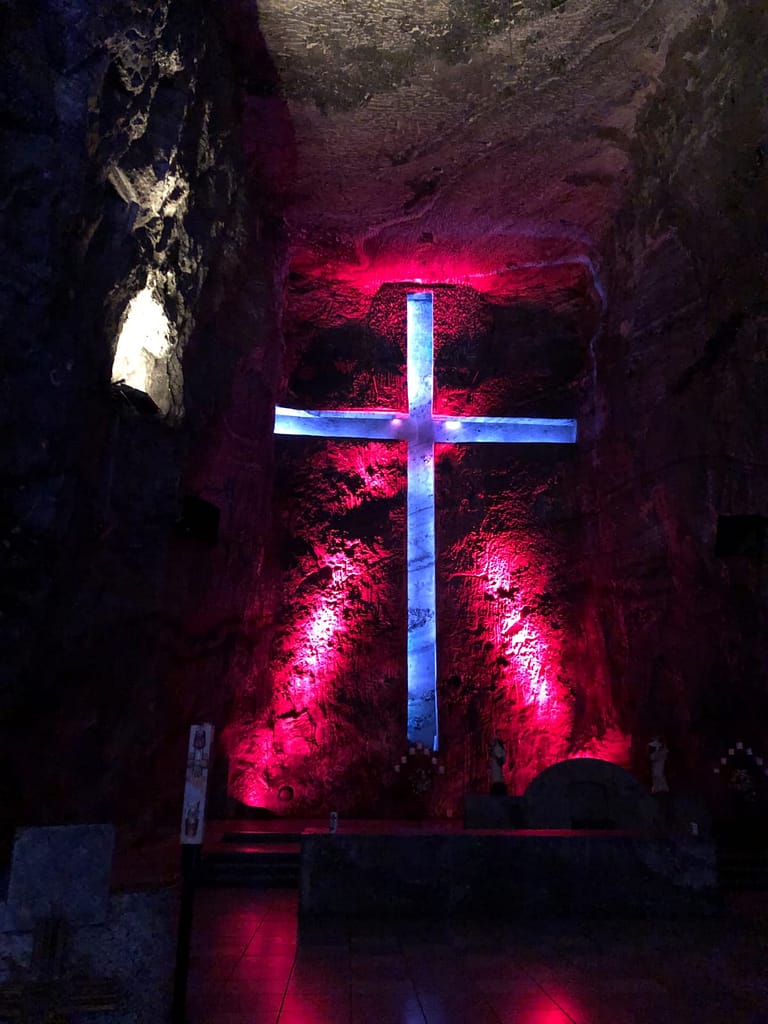
The cathedral descends 180 meters below the earth’s surface. As you walk through tunnels carved from salt rock, you pass fourteen small chapels representing the Stations of the Cross. The journey ends in a massive central nave with a ceiling high enough to fit a 16-meter cross.
The space is not technically a cathedral in the Catholic Church’s official sense, but the name has stuck. Salt mining in Zipaquirá dates back to the Muisca indigenous people, who extracted salt from these mountains long before Spanish arrival. Today’s structure was carved from the old mining tunnels, transforming an industrial site into a sacred space.
How to Visit the Salt Cathedral from Bogotá
Public transportation connects Bogotá’s Portal del Norte station to Zipaquirá, but the journey involves multiple transfers and significant walking. Most visitors find that organized tours offer better value when you factor in time, convenience, and the benefit of guided explanations inside the cathedral.
Imagine your Bogota’s Tour Catedral de Sal handles all transportation and logistics, letting you focus on the experience rather than navigation. Local guides explain the mining history and religious significance that you would miss exploring alone.
What to See in Zipaquirá Town
Before or after the cathedral, Zipaquirá’s colonial town center deserves exploration. The main plaza features a beautiful church and surrounding buildings painted in traditional Colombian colors. Local restaurants serve hearty highland cuisine, and small shops sell salt products and souvenirs.
The brine pools above the cathedral offer another interesting stop. These shallow ponds have such high salt concentration that you can float effortlessly, similar to the Dead Sea. Not all tours include this option, so ask if floating interests you.
Day Trips from Bogotá: Laguna de Guatavita
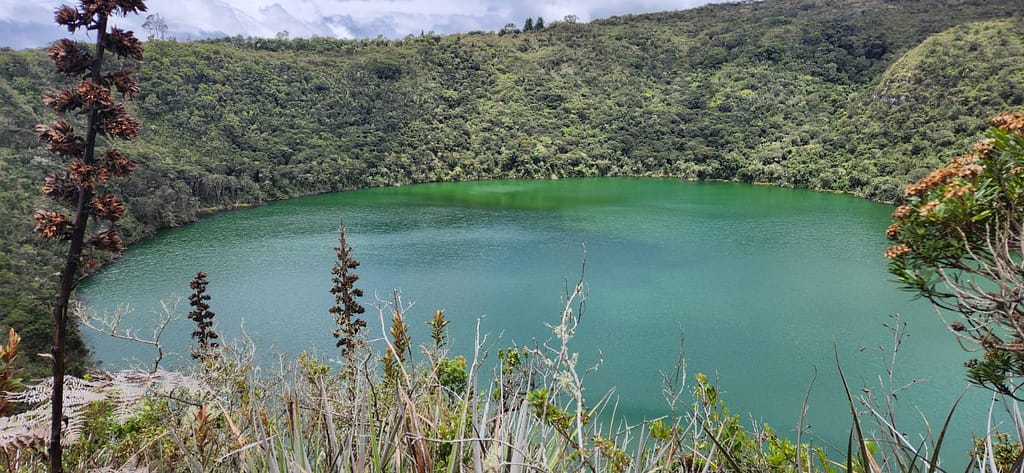
The legend of El Dorado points to this sacred lake. Laguna de Guatavita sits in a nearly circular crater about 75 kilometers northeast of Bogotá, and its emerald waters have captivated visitors for centuries. The Muisca people performed rituals here that sparked Spanish obsession with gold and fueled countless expeditions.
The History and Legend of Guatavita
Muisca ceremonies at Guatavita involved a new chief covering himself in gold dust before rafting to the lake’s center to make offerings. Spanish conquistadors heard these stories and imagined entire cities made of gold. They called this mythical place “El Dorado,” and the name eventually came to represent any place of fabulous wealth.
Attempts to drain the lake and recover gold began in the 1500s and continued for centuries. These efforts lowered the water level and damaged the crater rim, but they never found the treasure the Spanish imagined. Today, the lake is protected as a natural reserve, and the focus has shifted from gold hunting to cultural preservation.
Visiting Laguna de Guatavita Today
Access to the lake requires joining a guided tour organized through the reserve. Groups enter at scheduled intervals, and guides explain the geological formation, indigenous history, and ecological importance of the crater ecosystem. The walk takes about two hours round trip and includes moderate uphill sections.
The rim of the crater offers stunning views down to the green water below. On clear days, you can see the páramo landscape stretching into the distance. This high-altitude moorland ecosystem hosts unique plant species found nowhere else on earth, including the famous frailejones (espeletia) with their fuzzy silver leaves.
Combining Guatavita with Other Stops
The town of Guatavita Nuevo sits near the lake and offers a picturesque stop for lunch. This whitewashed village was built in the 1960s when the original Guatavita was flooded by a reservoir. The architectural style mimics colonial Spanish design but with a more uniform, planned appearance.
Imagine your Bogota’s Tour Laguna de Guatavita typically combines the lake visit with time in the town and stops at scenic viewpoints along the mountain roads. The drive itself passes through beautiful Andean countryside that feels worlds away from Bogotá’s urban intensity.
How to Choose the Right Bogotá City Tour
With dozens of tour operators in Bogotá, choosing the right experience requires some thought. Your interests, physical fitness, and travel style all factor into finding the perfect match.
Consider Your Interests and Priorities
Some travelers prioritize photography and want tours that hit the most scenic spots at optimal times. Others care more about history and cultural context, preferring guides who can explain what they’re seeing in depth. Food-focused travelers might choose tours that incorporate market visits and tastings.
Think about what you want to remember from your trip. If it’s stunning photos, prioritize viewpoint-heavy itineraries with early starts. If it’s stories and connections, look for smaller groups with knowledgeable local guides. If it’s flavors, combine city tours with food experiences like the Tour de frutas Paloquemao that Imagine your Bogota offers.
Physical Demands and Altitude Considerations
Bogotá’s altitude affects everyone differently. Some visitors adjust within hours, while others feel tired and breathless for days. Tours involving significant walking or climbing, like the Monserrate pilgrimage path, demand more from your body than bus-based sightseeing.
Be honest about your fitness level when choosing tours. Reputable operators will describe physical demands clearly. If you’re concerned about altitude, consider spending a day or two in Bogotá before attempting strenuous activities. Start with gentler tours and work up to more challenging ones as your body adjusts.
Group Size and Language
English-speaking guides are available throughout Bogotá, but their availability varies. Booking in advance gives you more options, especially during peak travel seasons. Smaller tour operators often have more flexibility to accommodate language preferences and scheduling requests.
Group dynamics significantly impact tour quality. Large groups move slowly and limit individual attention. Small groups or private tours cost more but allow for questions, spontaneous stops, and personalized recommendations. Consider the trade-off based on your priorities and budget.
Planning Your Bogotá Tour Itinerary
Fitting everything into your trip requires strategic planning. Bogotá’s traffic can eat hours if you don’t think ahead, and some attractions have limited availability that requires advance booking.
Sample Three-Day Itinerary with Views and Day Trips
Day One: City Orientation and Monserrate
Start with a morning walking tour of La Candelaria, Bogotá’s historic center. Colonial architecture, vibrant street art, and important museums cluster in this neighborhood. After lunch, head to Monserrate while you still have energy. Take the funicular up, spend time at the summit, and walk down if you’re feeling strong.
Day Two: Salt Cathedral Day Trip
Dedicate your second day to Zipaquirá and the Salt Cathedral. The journey takes about an hour each way, and you’ll want several hours at the cathedral itself plus time in the town. Return to Bogotá for dinner, perhaps trying the Andrés Carne de Res location in Chía on the way back.
Day Three: Guatavita and Surroundings
The Guatavita day trip works well as a final full day. The scenery along the route offers a beautiful farewell to the Andean highlands. If you have afternoon energy, explore a Bogotá neighborhood you haven’t visited yet, like trendy Chapinero or upscale Usaquén.
Tips for Flexible Scheduling
Weather in Bogotá changes quickly. The city’s residents say you can experience all four seasons in a single day. Build flexibility into your itinerary so you can adjust based on conditions. If morning clouds block mountain views, swap your Monserrate plans for indoor activities and try again the next day.
Many attractions close on Mondays, including some museums and the Monserrate walking path. Check opening schedules before building your itinerary to avoid disappointment. Sundays bring special experiences like Ciclovía, when major roads close to traffic and fill with cyclists and pedestrians.
What to Bring on Bogotá City Tours and Day Trips
Packing properly for Bogotá’s variable conditions makes your tours more enjoyable. The altitude brings intense sun even when temperatures feel cool, and weather can shift rapidly from sunny to rainy.
Essential Items for Every Tour
A waterproof jacket or poncho belongs in your daypack regardless of the forecast. Rain often arrives with little warning, especially in the afternoon. Similarly, sunscreen and sunglasses protect you from UV rays that feel stronger at high altitude.
Layers work better than single heavy garments. Mornings start cool, midday sun warms things up, and evenings cool down again. A light fleece or sweater that fits in your bag gives you options as temperatures change throughout the day.
Comfortable walking shoes matter more than style in Bogotá. Sidewalks can be uneven, and attractions like Monserrate involve significant walking or climbing. Save the nice shoes for dinner and wear something supportive for daytime exploration.
Specific Considerations for Different Tours
Day trips to higher-altitude destinations like Guatavita require warmer clothing. The páramo ecosystem experiences colder temperatures than Bogotá, and wind at the crater rim can make things feel even chillier. Bring a warm hat and gloves if you’re sensitive to cold.
The Salt Cathedral maintains cool temperatures year-round because it’s underground. A light jacket or long sleeves make the visit more comfortable. The tunnels can also feel humid, so breathable fabrics work better than heavy sweaters.
Working with Local Tour Guides in Bogotá
The guide you choose shapes your entire experience. A knowledgeable, engaging guide transforms good tours into unforgettable ones. Understanding what makes a great guide helps you find the right fit.
Why Local Knowledge Matters
Bogotá’s complexity rewards deep local knowledge. Guides who grew up in the city understand its rhythms, hidden corners, and evolving neighborhoods in ways that outsiders simply cannot match. They know which street vendor has the best empanadas, which alleys hold the most interesting street art, and which viewpoints the tourist crowds haven’t discovered yet.
Local guides also bring emotional connection to their narration. When they describe historical events or cultural traditions, they’re often sharing stories their grandparents told them. This personal investment comes through in ways that scripted tours cannot replicate.
What to Look for in a Tour Guide
English fluency matters if you don’t speak Spanish, but fluency alone doesn’t guarantee a good guide. Look for someone who asks about your interests and adjusts the tour accordingly. The right guide balances prepared information with responsiveness to your questions and energy levels.
Passion and enthusiasm make long tours enjoyable. A guide who genuinely loves sharing their city keeps you engaged even when you’re tired from walking or altitude. Pay attention to reviews that mention personality and storytelling ability, not just logistics and punctuality.
Building Meaningful Connections
The best travel experiences often come from human connections. Engaging genuinely with your guide opens doors to authentic cultural exchange. Ask about their lives, their favorite parts of the city, and their recommendations beyond the typical tourist circuit.
Many travelers find that their guide becomes a friend by the end of the tour. These connections can lead to dinner invitations, introductions to local families, and recommendations for experiences you would never find on your own. Approach your guide as a potential friend rather than just a service provider.
Making the Most of Your Bogotá City Tour Experience
Preparation extends beyond packing the right clothes. Mental preparation and realistic expectations help you appreciate what Bogotá offers rather than comparing it to other destinations.
Embrace the Altitude Adjustment
Almost everyone feels something when they arrive at 2,640 meters. Shortness of breath, mild headaches, and faster fatigue are normal. Instead of fighting these symptoms, work with them. Walk slower than usual, stay hydrated, and give yourself permission to rest when needed.
Coca tea and other local remedies help many visitors feel better. The traditional approach in Andean cultures involves chewing coca leaves or drinking mate de coca. Hotels and guides can direct you to legal sources, and most visitors find relief within a day or two.
Stay Open to Unexpected Discoveries
The best moments on tours often come from unplanned detours. A guide might spot something interesting and stop to explain it. A local might invite you to see something off the standard route. Saying yes to these opportunities often creates your most memorable stories.
Bogotá rewards curiosity. The city layers indigenous, colonial, and modern influences in ways that reveal themselves gradually. What looks like an ordinary building might hold a fascinating story. What seems like a random street market might offer flavors you’ll remember for years.
Capture More Than Photos
Photographs help you remember what you saw, but other recording methods capture what you felt. Keep a small journal and jot down observations, conversations, and emotions throughout your tour. Note the name of that street vendor’s snack you loved or the phrase your guide used to describe the view.
These details fade faster than visual memories. A month later, you might remember the view from Monserrate but forget the story your guide told about the mountain’s sacred history. Written notes preserve the context that makes travel meaningful beyond pretty pictures.
Safety Tips for Bogotá Tours and Day Trips
Bogotá has improved dramatically in recent decades, but sensible precautions still apply. Understanding local safety considerations helps you relax and enjoy your experience.
General Safety Awareness
Petty theft exists in any major city, and Bogotá is no exception. Keep valuables secure and don’t display expensive jewelry or electronics unnecessarily. Use inside pockets or a money belt for passports and larger amounts of cash.
Stick to main streets and busy areas, especially after dark. Your guide will know which neighborhoods welcome tourists and which areas to avoid. Trust their guidance even if an area looks fine to your eyes.
Tour-Specific Safety Considerations
Reputable tour operators prioritize guest safety. They choose routes, timing, and stops based on current conditions rather than habit. If your guide changes plans unexpectedly, there’s usually a good reason. Ask questions if you’re curious, but respect their local knowledge.
Day trips involve long drives through areas you don’t know. Stick with your group and guide rather than wandering off independently. If you need to stop for any reason, communicate with your guide so they can choose safe locations.
In Conclusion: Creating Your Perfect Bogotá City Tour Experience
Bogotá offers more viewpoints, day trips, and cultural experiences than most visitors can fit into a single trip. From the iconic panorama atop Monserrate to the underground wonder of the Salt Cathedral, from the legendary waters of Guatavita to hidden lookouts across the city, this Andean capital rewards exploration.
The key to a great experience lies in thoughtful planning and excellent guides. Understand what you want from your trip, choose tours that match your interests and fitness level, and stay open to the unexpected moments that make travel meaningful. Imagine your Bogota connects you with local experts who know the city’s secrets and can turn a simple sightseeing trip into a genuine adventure.
Start planning your Bogotá city tours and day trips today. The mountain views are waiting, and somewhere out there, a local guide is ready to share their favorite corners of this remarkable city with you.
FAQs about Bogotá City Tours with Views and Day Trips in 2026
What is the best time of year to visit Bogotá for scenic viewpoints?
December through March and July through August typically bring the clearest skies for viewpoint visits. These dry seasons reduce cloud cover and increase your chances of seeing across the entire city from Monserrate or other elevated locations.
That said, Bogotá’s weather remains unpredictable year-round. Morning visits generally offer better visibility regardless of season, as clouds tend to build throughout the afternoon.
How long does it take to visit the Salt Cathedral from Bogotá?
A Salt Cathedral day trip typically takes six to eight hours including transportation. The drive from Bogotá to Zipaquirá runs about an hour each way under normal traffic conditions.
Most visitors spend two to three hours exploring the cathedral itself. Imagine your Bogota’s Tour Catedral de Sal includes guided explanation of the mining history and religious significance, plus time in Zipaquirá’s colonial town center.
Is Laguna de Guatavita worth visiting?
The legendary lake offers both natural beauty and profound historical significance. The crater’s emerald waters inspired the El Dorado legend that shaped colonial South American history.
Visitors who appreciate landscapes, indigenous history, and unique ecosystems find Guatavita deeply rewarding. Imagine your Bogota’s Tour Laguna de Guatavita combines the lake with scenic mountain drives and stops in the picturesque rebuilt town.
Can I visit Monserrate and a day trip destination on the same day?
Combining Monserrate with a full day trip creates an exhausting schedule. The Salt Cathedral and Guatavita both require several hours each, plus significant driving time from Bogotá.
For the best experience, dedicate separate days to Monserrate and your chosen day trip. This allows time to truly appreciate each destination without rushing between attractions.
Do I need to book Bogotá city tours in advance?
Advance booking guarantees availability, especially during peak travel seasons and for English-speaking guides. Popular day trips like the Salt Cathedral and Guatavita can fill up during holidays and high tourist periods.
Booking ahead with Imagine your Bogota ensures you get the tour that matches your interests and schedule. Last-minute availability exists during slower periods, but planning ahead reduces stress and increases options.
What should I wear for Bogotá city tours?
Layers work better than single heavy garments in Bogotá’s variable climate. Temperatures can shift significantly throughout a single day, especially when traveling between different altitudes.
Comfortable walking shoes matter more than style. Many attractions involve significant walking on uneven surfaces. Bring a waterproof jacket regardless of the forecast, as afternoon rain arrives frequently and without warning.
Are Bogotá city tours suitable for children?
Many Bogotá tours welcome families with children. The funicular ride up Monserrate, the underground passages of the Salt Cathedral, and the legends surrounding Guatavita all capture young imaginations.
Consider attention spans and physical demands when choosing tours for children. Shorter tours with varied activities work better than full-day excursions. Imagine your Bogota can recommend family-friendly options based on your children’s ages and interests.
How does altitude affect Bogotá city tours?
Bogotá sits at 2,640 meters above sea level, high enough that many visitors feel some effects. Shortness of breath during exertion, mild headaches, and faster fatigue are common during the first few days.
Stay hydrated, avoid alcohol initially, and don’t overexert yourself on arrival day. Most people adjust within 24 to 48 hours. If you’re concerned, spend a day or two at city level before attempting higher-altitude excursions.

0 Comments